Bring Rooms Back to Life, Smarter
Today we explore Second-Life Smart Interiors, a practical, joyful approach that combines adaptive furnishings, thoughtful restoration, and respectful technology to extend the usefulness of what you own, reduce waste, and craft responsive comfort that ages beautifully with your routines, values, and changing space. Share your experiments and questions so we learn together.
Foundations Of Circular Comfort
Second-Life Smart Interiors begins with a simple promise: keep what works, improve what can improve, and let intelligence serve the pieces you already love. By cataloging possessions, understanding materials and joinery, and planning reversible upgrades, you nurture spaces that adapt elegantly to new routines, household changes, and future technology without unnecessary buying.

Audit What You Have
Start by measuring rooms, logging every piece of furniture, and photographing wear points. A simple spreadsheet or home-inventory app, paired with discreet labels or NFC tags, turns memory into data, guiding repairs, matching parts, and revealing surprising opportunities to reuse, rotate, or donate responsibly.

Design For Disassembly
Favor knock-down joinery, removable backs, and standardized fasteners so parts separate cleanly. Avoid permanent adhesives where screws, clips, or wedges would do. Clear access panels and documented assembly steps make upgrades painless, empowering future repairs, fabric swaps, motor replacements, and creative reconfigurations without damage or wasteful replacements.
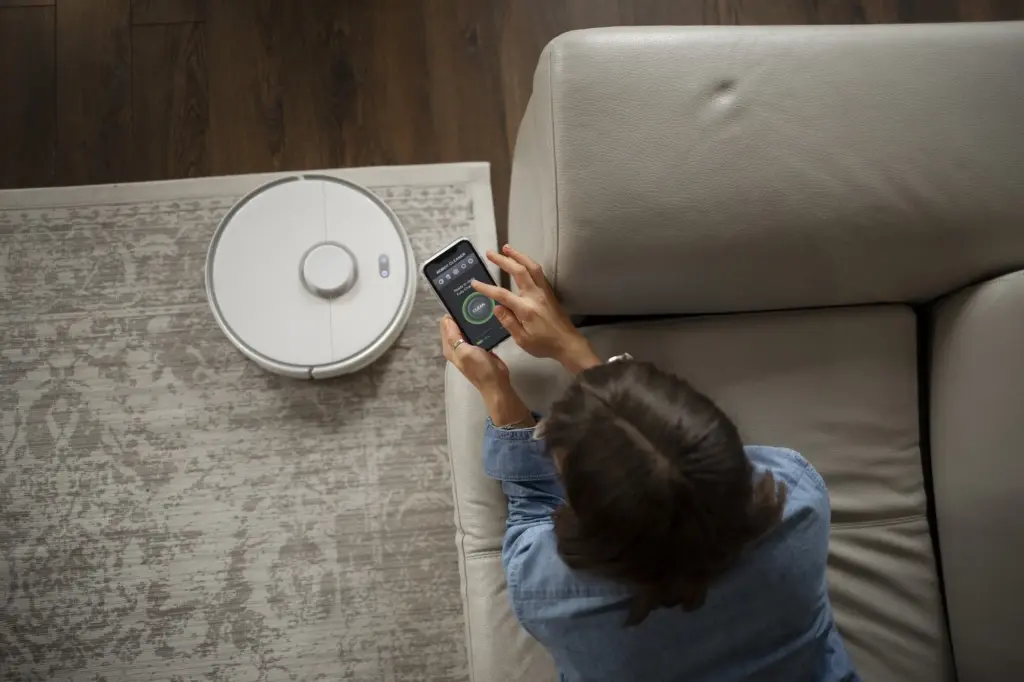
Choose Finishes That Age Well
Choose finishes you can refresh: water-based polyurethane, hardwax oils, or milk paint sealed with wax. Favor replaceable covers, modular cushions, and slip-on protectors. Keep a labeled kit of pads, glides, touch-up markers, and spare screws so maintenance becomes quick, satisfying, and visibly rewarding over years.
Technology That Extends, Not Replaces
Smart devices should extend lifespan, not push constant upgrades. Prioritize open standards, local control, and energy visibility. Retrofitting lamps, outlets, and blinds revives legacy pieces while respecting materials. Thoughtful automation reduces wear, prevents accidents, and delivers comfort that gracefully supports changing needs without locking you into disposable ecosystems.
Open Ecosystems And Local Control
Look for protocols that play nicely together and survive time: Matter, Thread, and Zigbee with bridges you can replace as standards evolve. Prefer hubs offering local scenes and backups. When the internet blinks, your lights, blinds, and sensors should still cooperate, preserving comfort and safety reliably.
Retrofit Classics With Smart Adapters
Revive older lamps with smart plugs, reuse vintage switches with in-wall relays, and keep beloved speakers alive using low-power streamers. Tiny adapters modernize daily rituals without tossing solid craftsmanship. Start small, learn behaviors, then expand intentionally so every addition earns its keep for years.
Durability, Repair, And E‑Waste Awareness
Choose hardware with replaceable batteries, repair guides, and spare parts. Favor metal housings and screw-fastened cases over brittle clips. Consider refurbishment programs and take-back policies. Plan device placement to minimize heat and dust, extending sensor accuracy, motor torque, and finish quality while reducing e-waste and frustration meaningfully.

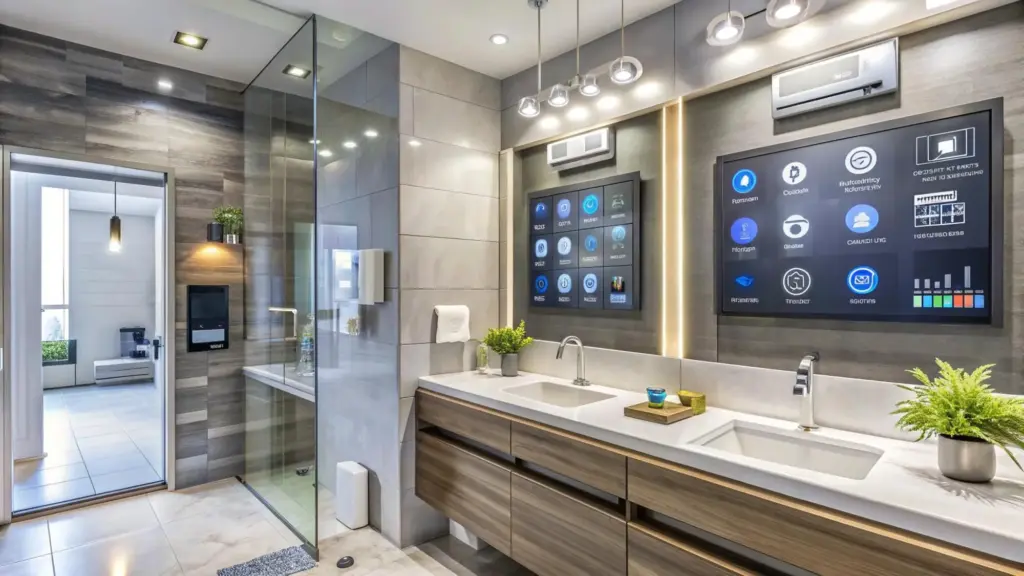
Upcycling With Story And Skill
Upcycling shines when function, craft, and narrative meet. Restore pieces thoughtfully, celebrate marks of time, and integrate respectful tech where it helps. A door becomes a desk, a crate a bedside table, a dresser a charging station, each upgrade reversible and surprisingly elegant in daily use.
Data-Guided Zoning That Feels Natural
Use a week of notes or gentle sensor logs to understand bottlenecks. If backpacks pile up, add hooks by the door. If mugs wander, put a tray near the kettle. Every tiny improvement prevents scuffs, saves steps, and keeps reclaimed finishes looking fresh longer.
Light, Shade, And Thermal Comfort
Let daylight lead, aided by reflective surfaces, adjustable shades, and smart dimmers that remember moods. Cooler light boosts focus at desks; warmer light invites rest on couches. Automations align gently with habits, reducing glare, preventing overheating, and extending textile and finish life appreciably over time.
Furniture On Wheels, Rooms On Demand
Put shelves and worktables on locking casters, mount fold-down desks, and store tools in rolling caddies. Quick transformations matter: homework, stretching, dining, and making should appear fast. Fewer duplicates are needed when spaces morph gracefully, keeping budgets lean and rescued materials shining through daily activity.
Sourcing, Community, And Circular Supply
Finding excellent second-life candidates means learning local ecosystems. Explore salvage yards, online marketplaces, tool libraries, and maker spaces. Trade expertise, from sewing slipcovers to soldering dimmers. When neighbors share resources and skills, beautiful, durable interiors grow from collaboration, not consumption, strengthening trust along with household resilience.
Where The Good Stuff Hides
Scan listings for hardwood frames, solid joinery, and repairable finishes. Ignore superficial scratches; avoid deep structural cracks or extensive mold. Bring a tape measure, magnet, and flashlight. Ask about storage conditions and odors. Patience is rewarded with pieces that improve dramatically after careful cleaning and tuning.
Collaborate, Learn, Repair Together
Join repair cafés, woodshops, and fab labs that welcome beginners. Borrow jigs, learn safe tool handling, and practice clamps before cutting. Volunteers love sharing tricks that prevent waste and panic. Document your rebuilds so others learn, and offer spare parts to keep someone else’s project alive.
Share, Swap, And Celebrate
Organize neighborhood swaps for lighting, rugs, and hardware, setting clear quality guidelines. Create checklists for cleaning, minor fixes, and safety tests. Share measurement notes and energy data. The conversation builds confidence, matches great pieces with new homes, and keeps bulky items out of landfills gracefully.
Care, Metrics, And Joyful Longevity
Longevity thrives on gentle routines and honest numbers. Create simple checklists, label parts, and celebrate patina. Track avoided purchases, energy savings, and repairs made. The more you notice, the better your interiors age, and the easier it becomes to prioritize thoughtful upgrades over novelty.
Schedule small, satisfying tasks: tighten chair bolts, vacuum fridge coils, oil hinges, and refresh counters. Set reminders by season or usage. These rituals extend life, amplify pride of ownership, and protect the investments of time and care poured into every saved, upgraded piece around you.
Attach QR labels under seats or inside cabinet doors, linking to offline notes about finishes, parts, and service history. Snap photos before changes. When something wobbles, you know its story instantly, reducing guesswork, accelerating fixes, and teaching future caretakers how to continue thoughtfully.

All Rights Reserved.