Imagine an old warehouse door reborn as a meeting table, its nicks and stamps preserved beneath a low-VOC finish. Under the surface, occupancy and vibration sensors observe how people gather, revealing optimal sizes, edges, and heights. Instead of guessing, the space learns, guiding subtle refinements that respect the material’s past while ensuring present-day ergonomics and delight for diverse teams and activities.
Temperature, CO2, light, sound, and motion sensors can steward comfort invisibly, adjusting ventilation, glare control, and acoustic masking before distractions escalate. Rather than policing behavior, they protect focus and health, surfacing gentle nudges through ambient signals or dashboards. When paired with reclaimed finishes, the result feels human and grounded, substituting empathy and evidence for rigid rules, blame, or costly overengineering that rarely pleases anyone.
Reused materials often face skepticism about durability and performance. Continuous monitoring tackles doubt with numbers, tracking wear, air quality near porous surfaces, and thermal behavior of dense timbers. Data showcases longevity, informs touch-up cycles, and prioritizes maintenance precisely where it matters. The financial case strengthens as carbon savings and avoided purchases appear alongside comfort gains, creating investor confidence and enthusiastic occupant advocacy.
Catalog beams, slabs, fixtures, and hardware with dimensions, load ratings, and any embedded hazards like lead paint or asbestos residues. Cross-check with code, fire ratings, and sensor radio requirements. Photograph joints and patina for later reference. Identify where reinforcement, encapsulation, or alternative uses make sense. This avoids late-stage surprises, helps insurers, and eases conversations with inspectors who appreciate organized, evidence-based, safety-forward reuse strategies.
Set up a small team area as a living lab using selected reclaimed elements and a full sensor stack. Run for a few weeks, rotating teams to capture varied behaviors. Hold short debriefs, log anomalies, and test signage clarity. Iterate joinery, cable routing, and thresholds. Early discomforts, like glare on polished tabletops or noisy louvers, become affordable fixes long before they harden into expensive, reputation-damaging mistakes.
Treat commissioning as a duet between material craftsmanship and digital fidelity. Verify moisture content, finish curing, and anchoring torque alongside sensor calibration, network reliability, and control sequences. Simulate crowds, quiet hours, and seasonal shifts. Create a punch list that covers both squeaks and scripts, ensuring occupants inherit an environment free of brittle patches, unmet promises, or inscrutable behaviors that erode trust within the first weeks.

Vibration, humidity, and temperature deltas flag loose joinery, swelling panels, or overheating drivers long before failure. Staff receive context, likely causes, and safe next steps with photos linked to exact locations. Spare reclaimed planks, hinges, and sensor nodes sit labeled and ready. Problems become learning moments, not emergencies, making maintenance calmer, budgets more predictable, and morale stronger across facility teams who finally feel set up to succeed.
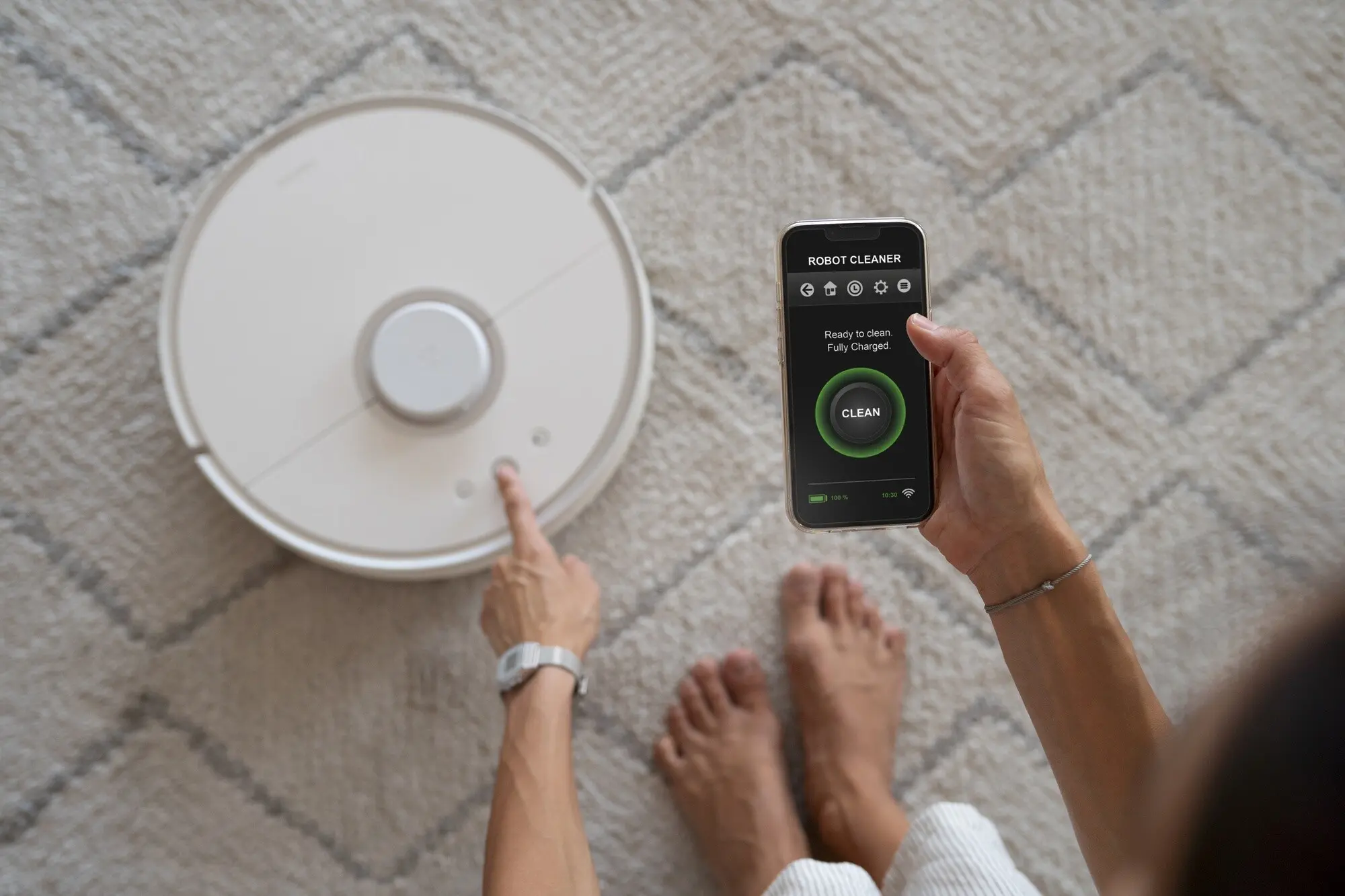
Occupancy heatmaps reshape nightly routines, sending the deepest cleaning to truly high-use zones while preserving delicate finishes where touch is light. Sensor feedback validates green products, checks drying times on porous woods, and protects indoor air. Crews receive quick QR-based guidance for specific surfaces and joinery. The result is healthier, faster, and kinder care that keeps patina proud while keeping pathogens, dust, and allergens firmly in check.
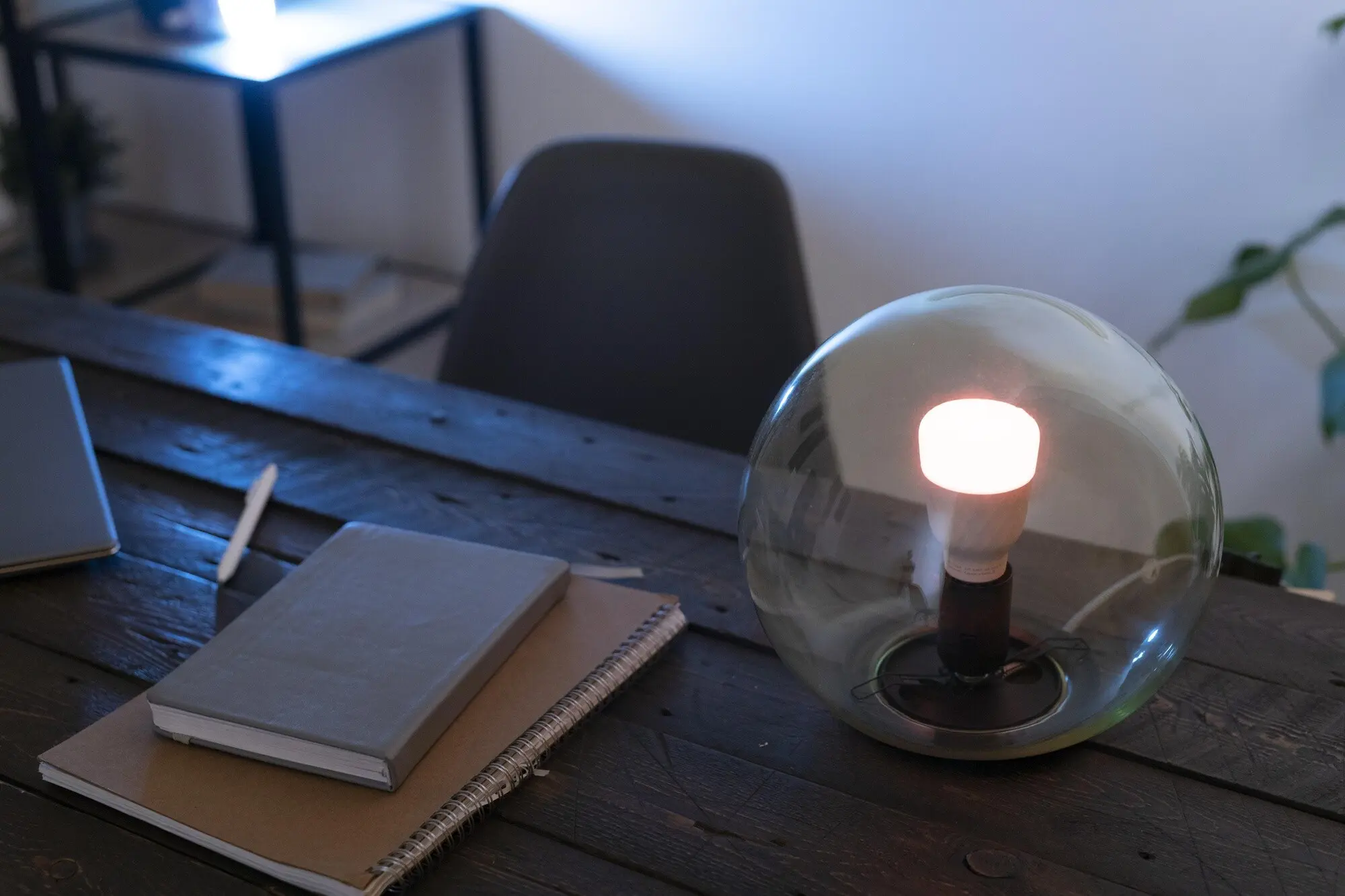
Instead of overwhelming charts, provide plain-language tiles: is air fresh, is glare acceptable, are meeting rooms fairly used, and where can six people collaborate now? Layer detail for experts, export snapshots for reports, and enable subscriptions for weekly summaries. Highlight trends, not noise. People act when information feels timely, trustworthy, and connected to choices they can make today without learning a new profession or specialized software.