Give Smart Homes a Second Wind

Let’s dive into extending the lifespan of connected home devices through refurbishment and open standards, turning aging gadgets into dependable, interoperable helpers rather than landfill. We’ll combine practical repair steps, security-minded upgrades, and standards-based integrations so equipment remains useful, safe, and flexible for years. Expect stories, checklists, and invitations to share your own revivals.

Why Longevity Matters for Smart Devices

Every connected bulb, speaker, and thermostat embodies minerals, manufacturing energy, and logistics miles before it ever meets your wall outlet. Stretching service life through careful refurbishment avoids premature replacement, slashes e‑waste, and protects wallets. Paired with open standards that outlast fickle product lines, your home gains resilience, while maintenance becomes predictable, humane, and surprisingly satisfying for curious tinkerers and conscientious families.

E‑waste, Energy, and Hidden Costs

Devices retiring early still carry unpaid environmental debts: mining scars, factory emissions, freight fumes, and disposal headaches. Repairing power circuits, replacing batteries, and migrating to interoperable protocols transforms sunk costs into extended value. As longevity rises, fewer chargers, bridges, and duplicate hubs clutter drawers, simplify wiring, and quietly lower neighborhood peak loads.

From Disposable Gadgets to Durable Companions

Treat aging hardware like a sturdy bicycle, not a paper plate. Gentle cleaning, firmware refreshes, and standardized integrations often resolve quirks labeled “obsolete.” When vendors vanish, local control and open ecosystems keep buttons, sensors, and schedules working, preserving routines your household trusts while reducing monthly services that quietly drain budgets.

A Family Story: The Thermostat that Outlived Two Furnaces

Our neighbor’s decade-old smart thermostat lost cloud support, then a backlight. We replaced two capacitors, loaded community firmware, and paired it locally via open standard bridges. It now runs on schedules independent of subscriptions, surviving two furnace upgrades while teaching teenagers why repair skills and documented protocols matter.
Refurbishment Fundamentals

Successful revivals start with safety and structure: diagnose power rails, inspect solder joints, verify sensors, and document everything. Clean carefully, replace wear components proactively, and test under load. With patient steps and parts bins labeled clearly, even modest repairs yield dramatic reliability gains, quiet operation, and renewed confidence in everyday automations.

Open Standards as Lifespan Multipliers

Interoperability preserves usefulness when vendors pivot, merge, or disappear. Migrating devices to open, documented protocols reduces dependence on fragile clouds and fragile phone apps. With gateways supporting Matter, Zigbee, Thread, Z‑Wave, or MQTT, households blend generations gracefully, adding capabilities without discarding functioning hardware that still performs everyday tasks beautifully.

Bridging Old and New with Care

Older Zigbee bulbs, modern Thread sensors, and legacy Wi‑Fi plugs can coexist under a unified coordinator. Choose bridges that expose stable local APIs. Map device quirks thoughtfully, document automations, and schedule backups. Your routines survive app redesigns, OS updates, and temporary internet outages without frantic late‑night troubleshooting.

Freeing Devices from Vanishing Clouds

When cloud services sunset, features often vanish overnight. Local integrations through Home Assistant, OpenHAB, or lightweight MQTT bridges restore control and privacy. Even partial functionality beats landfill. Publish clear migration notes so housemates understand changes, and keep a recovery image ready for emergencies or accidental misconfigurations.

Security and Privacy Over the Long Haul

Long-lived hardware must stay trustworthy. Adopt update routines, segregate networks, and insist on local-first control wherever possible. Replace unsupported apps with maintained alternatives, monitor unusual traffic, and rotate credentials. With open standards and transparent firmware sources, you can audit behavior and maintain confidence without sacrificing convenience or comfort.

Patch Management that Actually Happens

Schedule maintenance windows just like heating filter changes. Snapshot configurations, update gateways first, then peripherals in batches. Keep a rollback image on hand. Document steps so future you, or a helper, repeats success consistently, reducing fear that updates will break treasured household automations.

Network Segments and Least Privilege

Place IoT devices on a dedicated VLAN, isolate guest gear, and restrict outbound destinations. Favor local DNS, disable universal plug‑and‑play, and use unique passwords per device. Thoughtful boundaries turn unknown vendor decisions into manageable risk, buying precious years of comfortable, predictable operation for your family.

Decommissioning Without Leaving Traces

Before donating, selling, or recycling, wipe accounts, revoke tokens, and reset firmware securely. Remove storage, clear logs, and verify via a fresh setup routine. A thorough farewell protects buyers and your household, proving that longevity and stewardship include dignified endings as much as triumphant repairs.

Practical Playbook: Room-by-Room Upgrades
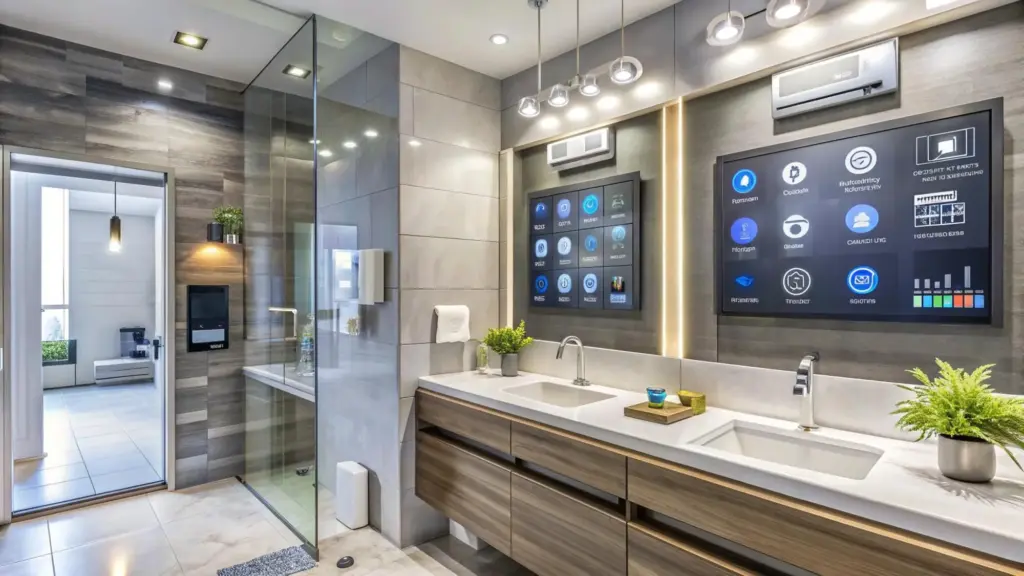
Walk through your home with a gentle eye for salvage and simplification. Stabilize lighting, comfort, and media with predictable controls, then introduce bridges that unify brands. Each room becomes a laboratory for thoughtful reuse, building a portfolio of repeatable fixes that friends eagerly borrow.

Economics and Environmental Accounting

Refurbishment saves more than cash. Track parts, time, warranty risk, and avoided replacements to see true total cost. Add embodied carbon estimates using reputable databases. When you share results, neighbors gain courage to rescue devices, and local repair meetups suddenly feel like practical climate action.

Community, Documentation, and Skills

Repairs thrive when notes travel. Write reproducible steps, photograph connectors, and publish part numbers. Mentor newcomers, host swap tables, and recognize contributors by name. With shared glossaries and diagrams, households speak a common language, and devices enjoy long, comfortable lives well beyond marketing brochures.

Documenting with Future You in Mind

Structure guides like recipes: ingredients, tools, steps, tests, and known pitfalls. Keep files in a searchable folder shared with housemates. Six months later, when a sensor blinks strangely, those notes turn panic into calm and fifteen minutes into a satisfying, repeatable procedure.

Learning by Teaching

Run short weekend workshops where beginners open a gentle device, clean it, and perform one safe replacement. Explaining decisions cements understanding, spreads confidence, and reveals knowledge gaps. People leave smiling, equipped to revive their own lights, buttons, and tiny bridges hiding in drawers.

Inviting Conversation and Accountability

Ask readers to share photos of rescued gadgets and the exact steps they took, including stumbles. Promise to feature thoughtful submissions, credit helpers, and revisit difficult cases. This gentle accountability creates momentum that outlasts novelty and builds friendships across neighborhoods and time zones.

Sentotavozori
Privacy Overview

This website uses cookies so that we can provide you with the best user experience possible. Cookie information is stored in your browser and performs functions such as recognising you when you return to our website and helping our team to understand which sections of the website you find most interesting and useful.