


Offices That Sense, Save, and Evolve

Today we dive into adaptive office spaces combining salvaged materials with embedded sensor networks, showing how circular design and responsive technology can deliver resilient, beautiful workplaces. Expect practical guidance, candid stories, and measurable outcomes that help you cut waste, reduce energy, and cultivate a culture that learns from real data, respects material histories, and invites people to participate in shaping a living, ever-improving environment.

Why Reuse Meets Real-Time Sensing

Blending reclaimed components with quietly observant technology turns static interiors into responsive ecosystems. Salvaged wood, glass, steel, and fixtures carry embodied stories, while sensors translate conditions into insight. Together they enable comfort with lower footprints, transparent decisions, and spaces that tune themselves through feedback instead of frequent renovations or speculative upgrades that often exhaust budgets, patience, and planetary resources without meaningfully improving daily work.

From Warehouse Doors to Warm Desks

Imagine an old warehouse door reborn as a meeting table, its nicks and stamps preserved beneath a low-VOC finish. Under the surface, occupancy and vibration sensors observe how people gather, revealing optimal sizes, edges, and heights. Instead of guessing, the space learns, guiding subtle refinements that respect the material’s past while ensuring present-day ergonomics and delight for diverse teams and activities.

Sensors as Quiet Caretakers

Temperature, CO2, light, sound, and motion sensors can steward comfort invisibly, adjusting ventilation, glare control, and acoustic masking before distractions escalate. Rather than policing behavior, they protect focus and health, surfacing gentle nudges through ambient signals or dashboards. When paired with reclaimed finishes, the result feels human and grounded, substituting empathy and evidence for rigid rules, blame, or costly overengineering that rarely pleases anyone.

Circular Value Proven in Data

Reused materials often face skepticism about durability and performance. Continuous monitoring tackles doubt with numbers, tracking wear, air quality near porous surfaces, and thermal behavior of dense timbers. Data showcases longevity, informs touch-up cycles, and prioritizes maintenance precisely where it matters. The financial case strengthens as carbon savings and avoided purchases appear alongside comfort gains, creating investor confidence and enthusiastic occupant advocacy.

Material Story Mapping

Begin with a story map that lists origin, age, previous use, and constraints for each reclaimed element. Tie those stories to intended zones by acoustic need, touch frequency, hygiene sensitivity, and thermal inertia. When origin informs placement, finishes feel intentional, not improvised. Occupants appreciate provenance plaques or QR codes, transforming curiosity into care, reducing damage, and sparking conversations that strengthen belonging across teams and disciplines.

Sensor Layering Without Clutter

Design sensor placement as you would lighting: purposeful, zoned, and maintainable. Use cable trays crafted from repurposed ladder rungs, and embed low-power wireless nodes behind perforated panels milled from salvaged plywood offcuts. Every device gets a unique label, accessible firmware, and a replacement path. Calibrate for real use, not lab perfection, preferring robust averages and anomalies over twitchy thresholds that nag rather than guide improvement.

Adaptive Lighting and Thermal Zoning

Pair reclaimed louvers and glass with responsive shades, daylight sensors, and task lights that remember preferences. Heavy timber partitions stabilize temperatures; radiant panels adjust quietly without drafts. Algorithms respect circadian rhythms and weekly patterns, dimming gently while leaving manual overrides obvious. Over time, the system learns occupancy waves, trimming peaks without sacrificing comfort, yielding energy savings that feel like generosity rather than austerity or punitive constraints.

Design Framework: Layers, Loops, and Light

Organize the workplace like an ecosystem: durable structure, adaptable services, expressive finishes, and responsive interfaces. Salvaged components sit where character is celebrated and replacement is easy. Sensor networks ride in accessible layers with clear labeling. Short feedback loops refine layouts, while daylight and circadian strategies anchor wellbeing. The result is a place that changes gracefully, never hiding complexity, yet never burdening daily work with fiddly controls.

Implementation Playbook: From Audit to Occupancy

Deliver success in phases: audit available salvage, prototype high-touch zones, then scale with clear standards. Involve facilities early, document compatibility, and pilot dashboards with real teams. Commission both materials and data, verifying finishes, sensors, and controls together. Plan spares for quirky parts, schedule user training, and treat the first ninety days as a learning sprint where feedback loops guide confident, transparent, and joyful refinement for everyone involved.

Inventory and Compatibility Audit

Catalog beams, slabs, fixtures, and hardware with dimensions, load ratings, and any embedded hazards like lead paint or asbestos residues. Cross-check with code, fire ratings, and sensor radio requirements. Photograph joints and patina for later reference. Identify where reinforcement, encapsulation, or alternative uses make sense. This avoids late-stage surprises, helps insurers, and eases conversations with inspectors who appreciate organized, evidence-based, safety-forward reuse strategies.

Prototyping in Living Labs

Set up a small team area as a living lab using selected reclaimed elements and a full sensor stack. Run for a few weeks, rotating teams to capture varied behaviors. Hold short debriefs, log anomalies, and test signage clarity. Iterate joinery, cable routing, and thresholds. Early discomforts, like glare on polished tabletops or noisy louvers, become affordable fixes long before they harden into expensive, reputation-damaging mistakes.

Commissioning That Blends Craft and Code

Treat commissioning as a duet between material craftsmanship and digital fidelity. Verify moisture content, finish curing, and anchoring torque alongside sensor calibration, network reliability, and control sequences. Simulate crowds, quiet hours, and seasonal shifts. Create a punch list that covers both squeaks and scripts, ensuring occupants inherit an environment free of brittle patches, unmet promises, or inscrutable behaviors that erode trust within the first weeks.

Human Experience, Comfort, and Culture

Operations, Maintenance, and Continuous Learning

A responsive workplace stays resilient through humble, steady care. Predictive alerts prioritize what matters, janitorial routes adjust to real use, and small parts bins keep reclaimed hardware circulating. Dashboards avoid vanity; they answer daily questions. Document changes like a living field guide. When staff, vendors, and occupants share a single source of truth, the office improves with age, gaining character and performance instead of drifting toward cluttered fragility.

Predictive Care Over Crisis Response

Vibration, humidity, and temperature deltas flag loose joinery, swelling panels, or overheating drivers long before failure. Staff receive context, likely causes, and safe next steps with photos linked to exact locations. Spare reclaimed planks, hinges, and sensor nodes sit labeled and ready. Problems become learning moments, not emergencies, making maintenance calmer, budgets more predictable, and morale stronger across facility teams who finally feel set up to succeed.
Cleaning Loops Informed by Reality

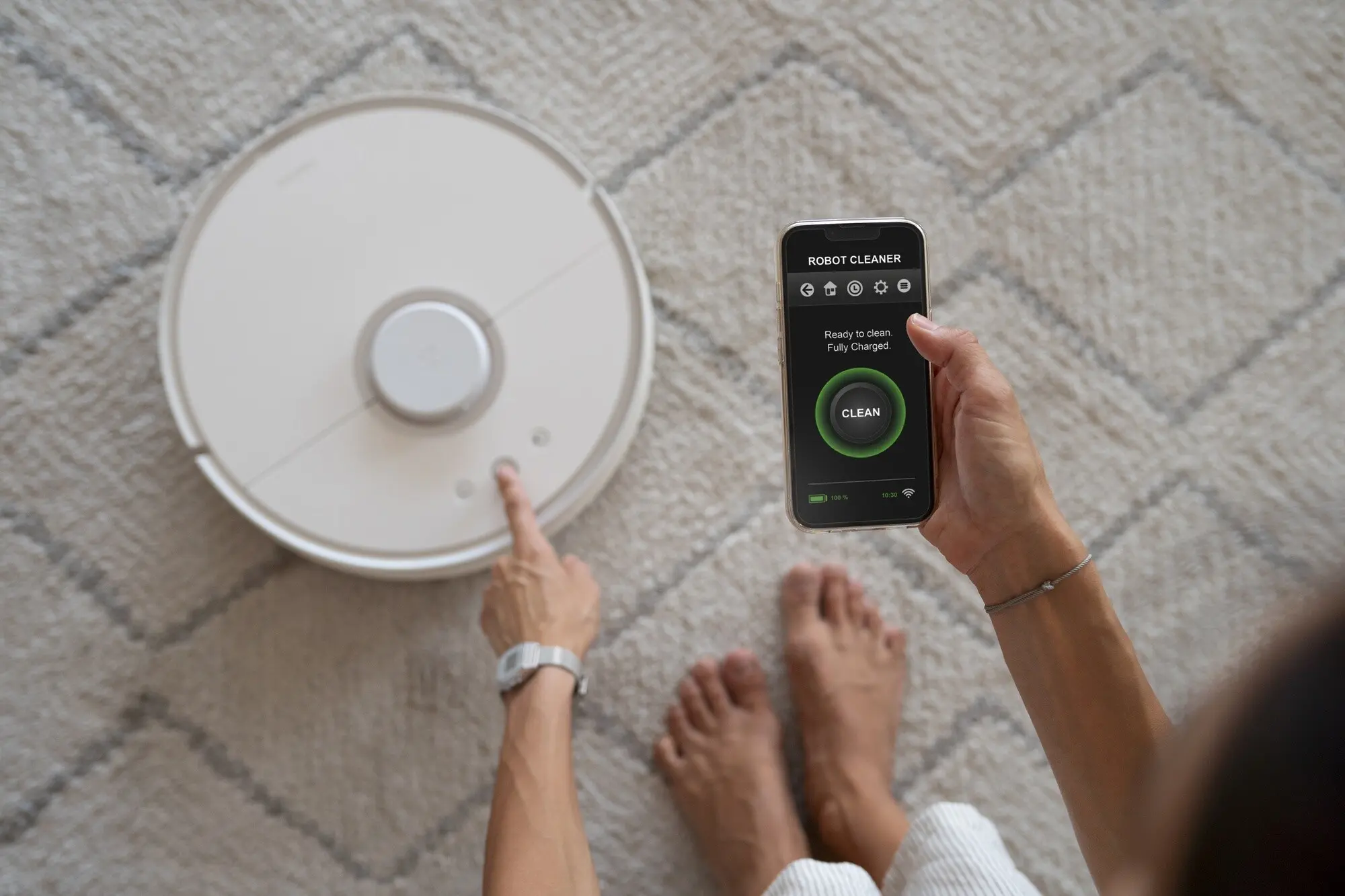
Occupancy heatmaps reshape nightly routines, sending the deepest cleaning to truly high-use zones while preserving delicate finishes where touch is light. Sensor feedback validates green products, checks drying times on porous woods, and protects indoor air. Crews receive quick QR-based guidance for specific surfaces and joinery. The result is healthier, faster, and kinder care that keeps patina proud while keeping pathogens, dust, and allergens firmly in check.

Dashboards That Answer Real Questions

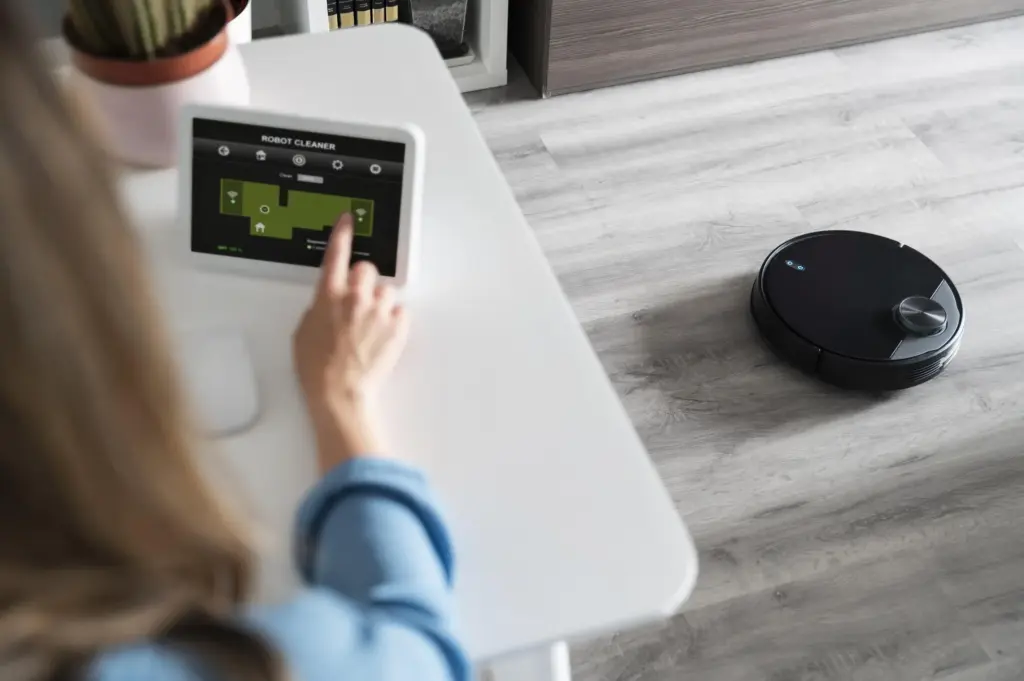
Instead of overwhelming charts, provide plain-language tiles: is air fresh, is glare acceptable, are meeting rooms fairly used, and where can six people collaborate now? Layer detail for experts, export snapshots for reports, and enable subscriptions for weekly summaries. Highlight trends, not noise. People act when information feels timely, trustworthy, and connected to choices they can make today without learning a new profession or specialized software.

Governance, Safety, and Responsible Data

Confidence grows when safety and privacy are designed in from the start. Reclaimed assemblies meet fire and structural codes, sensors avoid surveillance creep, and data retention respects consent and labor agreements. Accessibility remains nonnegotiable, with tactile cues, contrast, and clear paths aligned to history-rich materials. Regular reviews keep standards alive, translating policy into simple, everyday practices staff and occupants can understand, challenge, and continuously refine together.

Fire, Structure, and Transparent Documentation

Every reclaimed element earns its place through evidence: grading stamps, test reports, and, where needed, encapsulation or fire-retardant coatings. Penetrations for sensors get sealed with rated gaskets and clearly annotated drawings. Inspectors receive organized binders, digital twins, and honest change logs. Transparency reduces delays, supports insurers, and ensures the building’s character never becomes a loophole that compromises emergency performance, evacuation clarity, or future modifications by new teams.

Privacy-by-Design, Not Afterthought

Collect only what helps comfort, safety, and sustainability; aggregate by zone, not person. Blur trajectories, rotate identifiers, and enforce strict retention windows. Communicate what is measured and why, in words humans use. Offer meaningful opt-outs and visible indicators when microphones or cameras are deactivated. Trust is a feature people can feel, and it starts with restraint, clarity, and governance that prioritizes dignity over curiosity or convenience.

Inclusive Access Across Changing Layouts

Adaptive spaces move, but access should not wobble. Maintain consistent clearances, tactile edges on reclaimed stair nosings, and audible cues for variable lighting. Seat reservation and wayfinding apps integrate screen-reader support and high-contrast maps. Test prototypes with diverse users early. When the plan shifts, revalidate routes and signage. Inclusion becomes a living promise, renewed with each iteration, rather than a one-time checklist buried in project archives.
Sentotavozori
Privacy Overview

This website uses cookies so that we can provide you with the best user experience possible. Cookie information is stored in your browser and performs functions such as recognising you when you return to our website and helping our team to understand which sections of the website you find most interesting and useful.